



Modern education faces an ongoing crisis of distraction and waning student engagement. In this digital era, students struggle to maintain focus as screens and stimuli compete for their attention. However, a renaissance is taking root—educators worldwide are integrating garden implements and tools into school programs to cultivate a therapeutic, hands-on environment where students learn calm, develop focus, and acquire lifelong skills.
In this comprehensive guide, we’ll explore how using garden implements and tools in educational settings can significantly enhance learning outcomes. You’ll uncover actionable frameworks, research-backed strategies, and practical case studies that reveal how structured outdoor activities with garden implements and tools foster focus, reduce classroom anxiety, and instill vital life skills. Whether you’re an educator, school administrator, or parent, this guide equips you to create holistic and transformational learning experiences.
This article delves deeply into the transformative power of garden implements and tools in education. Learn about the scientific benefits of nature-based learning, actionable steps for school-wide implementation, and expert guidance on choosing, maintaining, and using garden implements and tools. We’ll provide real-world examples, case studies, a robust FAQ section, and up-to-date best practices for maximizing calm and focus in outdoor, hands-on learning environments.
Recognizing the Crisis: Why School Needs Calm and Focus
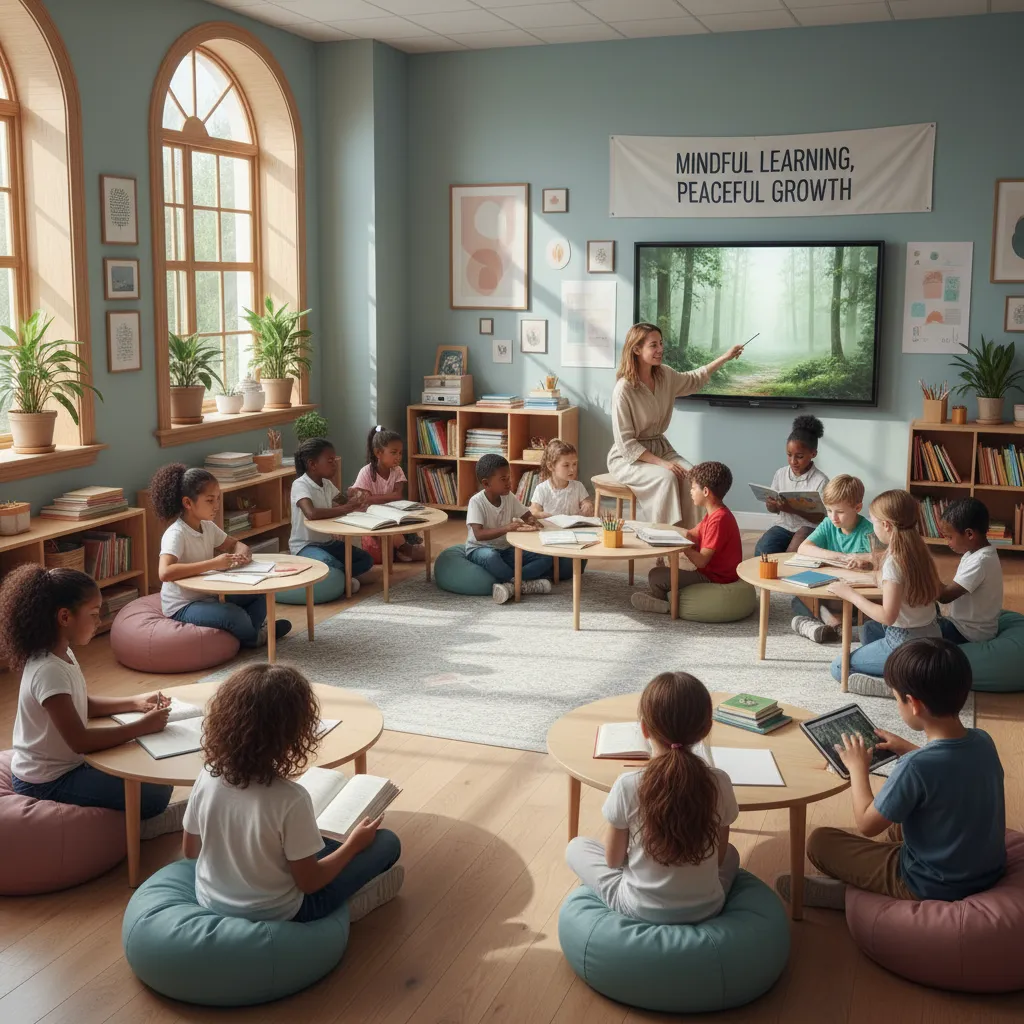
The Digital Challenge
Today’s classrooms overflow with information and distraction. Despite incorporating technology for learning, excessive screen time often leads to cognitive overload, anxiety, and attention fragmentation. According to the American Psychological Association, 60% of teenagers report feeling stress related to constant connectivity. The need for mindful, tactile learning is more urgent than ever.
Emergence of Nature-Based Education
Education leaders are embracing outdoor learning as a means to balance digital overload. When students step outside, the natural environment acts as a calming “reset.” The process of gripping a trowel, pushing a wheelbarrow, or using a rake stimulates nearly every sense, grounding students in the moment and sharpening their focus. Unlike passive digital lessons, active garden-based lessons encourage problem-solving, coordination, and sustained attention.
Research from the Children & Nature Network shows that students who regularly engage in school gardening with proper implements and tools exhibit not only improved academic performance but also reductions in anxiety and impulsivity. Practical, hands-on tasks demand focus, foster calm, and allow every child to experience personal growth.
Mindfulness, Movement, and Mental Well-Being
Using garden implements and tools aligns with established mindfulness practices. As students weed, dig, or transplant, repetitive movement and tactile feedback activate the parasympathetic nervous system (the body’s “rest and digest” mode), lowering cortisol and inducing calm. Unlike meditation—which can be difficult for children with excess energy—physical activity using tools provides a dynamic, approachable path to mindfulness and concentration.
When a student learns to use a hand fork or cultivator, they must monitor their muscle movement, visual attention, and spatial judgment. If their focus wavers, the result is immediate: a seedling may be damaged, or a row may skew. This immediate feedback reinforces the necessity of present-moment focus gently, building the neurological “muscle” for concentration in and out of the classroom.
The Science Behind Garden-Based Learning
Physical Engagement Creates Cognitive Gains
Numerous studies confirm that kinesthetic, multi-modal learning fosters deeper memory retention and comprehension. When students use garden implements and tools, they simultaneously develop gross and fine motor skills, hand-eye coordination, and spatial intelligence. These skills, often neglected in traditional classrooms, are foundational for reading, math, and problem-solving.
A 2023 meta-analysis published in Frontiers in Psychology found that children who participated in school garden programs scored up to 20% higher on measures of attention, working memory, and emotional self-regulation compared to peers in standard learning environments. The hands-on use of real tools (as opposed to props or digital simulators) was a critical factor in these gains.
Emotional Benefits: Self-Efficacy and Belonging
Mastery of garden implements and tools yields a tangible sense of accomplishment. As students progress from cautious beginners to confident tool users, they experience self-efficacy—believing in their capacity to succeed. This newfound confidence permeates other academic subjects and even social relationships.
Garden work is inherently collaborative. Tasks like preparing beds, moving compost, or planting rows of vegetables foster teamwork, communication, and mutual respect. Shared responsibility for garden implements and tools strengthens the sense of classroom community and respect for shared resources.
Case Study: Calming Classrooms in Action
At Lincoln Elementary School (fictitious name, based on documented programs), teachers implemented a daily “garden hour.” Students rotated between beds, using age-appropriate hand trowels, pruners, watering cans, and compost forks. Over the course of a year, incidents of disruptive behavior dropped by 35%, while teachers observed improved social dynamics and test scores, especially in schools with previously high levels of restlessness.
Core Garden Implements and Tools for Classroom Success
Essential Tools: Structured Comparison Table
To maximize both educational outcomes and safety, schools must prioritize well-made, properly sized equipment. Here’s a detailed comparison of the foundational garden implements and tools for educational settings:
|
Tool Category |
Recommended Equipment |
Primary Purpose |
Core Skills Developed |
Age Suitability |
|---|---|---|---|---|
|
Digging |
Hand trowels, child-size spades |
Prepare soil, transplant seedlings |
Fine motor, spatial judgment, persistence |
All ages |
|
Cultivating |
Small hoes, hand cultivators |
Aerate, weed, break up soil clumps |
Repetitive focus, muscular endurance |
7+ |
|
Pruning |
Snips, child-safe shears, loppers |
Harvest, deadhead, maintain plant health |
Precision, risk awareness, decision-making |
8+ |
|
Watering |
Small watering cans, gentle hose attachments |
Hydrate plants, teach conservation |
Accountability, consistency, routine building |
All ages |
|
Transport |
Lightweight wheelbarrows, garden carts |
Move soil, carry compost, team transport |
Teamwork, coordination |
8+ |
|
Measuring/Marking |
Rulers, measuring tapes, seed markers |
Layout rows, calculate space |
Math integration, planning |
All ages |
Internal Link Cluster Example
Explore ways to maximize student engagement through hands-on outdoor learning in our Comprehensive Nature Curriculum Guide and learn best practices for sustaining outdoor programs in our Outdoor Learning Best Practices resource.
Selecting Equipment: Safety, Sizing, and Durability
- Prioritize Ergonomics: Tools must fit student hands—look for rubberized handles, lightweight materials, and blunted blades.
- Durability Matters: Invest in stainless steel over plastic to withstand years of use.
- Color Coding: Color-coded tools by age/class can simplify management and minimize mix-ups.
- Maintenance Training: Teach students to wash, dry, and store tools after each use. This routine builds care and responsibility.
Example Brands and Resources
Consider reputable suppliers like Gardener’s Edge, Earth Tools, and The Home Depot for school or district-wide purchases. Many offer school discounts or bulk bundles for educational programs.
Building Holistic Mindfulness: How Tools Anchor the Mind

The Sensory Power of Gardening
Using garden implements and tools is an inherently sensory experience. The weight of a spade, the resistance of soil, the subtle snap of pruner blades—all direct attention to the present. In school gardens, “tool moments” become mindfulness moments:
- Digging: Grounding; focuses energy downward.
- Pruning: Refines motor skills; demands careful observation.
- Weeding: Repetitive; calms busy minds through rhythm.
Integrating Mindfulness Routines
- Begin with Breath: Before picking up tools, lead students in a short breathing exercise.
- Silent Work Periods: Dedicate 10-15 minutes each session to silent gardening, sharpening awareness.
- Debrief Circle: After working, circle up, let students share their experiences, and reflect on how tools help them focus.
Real-World Testimonial
“I used to struggle getting my third graders to sit still for five minutes. By the end of our first quarter with garden implements and tools, students were able to focus outdoors for 30 minutes at a time. They were calmer even back in the classroom.” – Ms. Rodriguez, Elementary Teacher
Multi-Disciplinary Learning with Garden Implements and Tools
Integrating STEM and the Arts
- Science: Use spades to dig and study earthworms, root systems, and soil composition.
- Math: Mark rows and measure beds using tapes, calculating area and perimeter.
- Engineering: Design irrigation systems or compost bins with simple hand tools—plan, build, revise.
- Language Arts: Assign journaling about the experience of handling new tools or documenting plant growth with sketches.
- Art: Use leaves, twigs, and pebbles gathered with hand tools for printmaking and sculpture projects.
Expert Tip
Invite local horticulturists or gardeners for workshops. Their real-world tool demonstrations connect classroom learning to career pathways and deepen community bonds.
Steps to Implement a School Garden Tools Program
1. Start with a Vision
Define clear educational objectives—calm, focus, collaboration, STEM integration—then rally admin and parent support. Use resources from the National Gardening Association for planning templates.
2. Secure Funding and Supplies
- Grants: Research sources like Lowe’s Toolbox for Education, Whole Kids Foundation, and local garden clubs.
- Community Drives: Host tool donation events.
- Partnerships: Contact local hardware stores for discounts or sponsorships.
3. Design Outdoor Learning Spaces
- Ensure dedicated zones for digging, cultivating, storage, and harvesting.
- Install lockable tool sheds and pegboards for safe, organized storage.
4. Train Staff and Students
- Host annual tool safety and usage workshops.
- Develop age-appropriate guides and posters for reference.
5. Monitor, Assess, and Grow
- Gather feedback through student surveys, teacher observation logs, and photo journals.
- Celebrate milestones—first harvest, new skills, community garden days.
Internal Link Cluster
See our guide on designing school gardens for success and track progress with our School Gardening Assessment Toolkit.
Common Mistakes to Avoid with Garden Implements and Tools
Successful programs grow from awareness of potential missteps:
- Underestimating Prep Time: Tool familiarization sessions are essential before “real gardening.”
- Choosing Cheap Tools: Inferior equipment breaks, causing frustration and safety risks.
- Skipping Maintenance: Dirty or rusted tools degrade quickly and lose appeal for students.
- Overcrowding Activities: Too many students sharing tools at once leads to distraction and chaos.
- Ignoring Inclusivity: Ensure special needs students have adaptive tools or one-on-one support.
Pro Tips
- Schedule “tool care days” where students take pride in oiling, cleaning, and storing implements.
- Create a clear check-in/check-out system for tracking inventory.
- Rotate leadership—let students serve as “Tool Captains” for a day.
Real-World Success Stories: Education Transformed

International Example
In Tokyo’s Shinjuku district, city schools built rooftop gardens equipped with a variety of garden implements and tools. Children reported feeling more relaxed, collaborative, and interested in science. Incidents of bullying decreased, and parent surveys noted more engaged, happier students at home.
U.S. Case Study
Greenview Middle School started with a single bed and a small set of student-sized garden implements and tools. Three years later, their garden covers half an acre, boasts multiple compost stations, and hosts weekly outdoor science classes. Teachers note that students who work with tools show increased responsibility—returning tools in good condition, reminding peers of safety rules, and volunteering to train newcomers.
Building Program Sustainability and Equitable Access
Strong garden programs depend on continued commitment and equitable access to garden implements and tools.
- Tool Libraries: Develop a check-out system so all students and teachers have access.
- Parent Engagement: Invite families to donate time or resources for tool maintenance and garden improvements.
- Seasonal Planning: Rotate garden tasks to match the school year—planning in winter, seed starting in spring, tool repair in summer and fall.
Internal Resource
For a full sustainability plan, see our Outdoor Program Maintenance Guide featuring seasonal checklists and community involvement strategies.
Conclusion
Incorporating garden implements and tools into educational settings opens doors to profound personal and academic growth. Through hands-on, mindful work, students learn to focus deeply and manage their emotions amidst daily distractions. A well-designed program—grounded in safety, engagement, and community—will foster not just better learners, but more resilient, compassionate, and globally conscious citizens. Invest in quality garden implements and tools and empower future generations to thrive in and out of the classroom.
Frequently Asked Questions (FAQs)
1. How do garden implements and tools enhance student concentration?
Garden implements and tools require physical effort and moment-to-moment attention. Repetitive motions and tactile feedback ground students, quiet internal distractions, and naturally build their capacity for deep focus.
2. Are garden implements and tools safe for all age groups?
Yes—provided tools are sized appropriately, have blunt edges for younger children, and students receive proper instruction before use. Adult supervision is always required for best results.
3. What are key considerations for selecting garden implements and tools for schools?
Look for lightweight, ergonomic handles, rust-proof metal parts, and shatter-resistant materials. Age, durability, and safety are top priorities.
4. Can garden implements and tools help neurodivergent or hyperactive students?
Absolutely. Many children with ADHD or sensory processing differences find grounding and calm while physically engaging with soil and tools, according to experts. Programs that integrate sensory-friendly tools see notable gains in focus and self-regulation.
5. How do you integrate math and science using garden implements and tools?
Students use measuring tapes and trowels for plotting beds, calculate soil volumes, conduct plant growth experiments, and document findings in journals. Real-world measurement builds abstraction skills.
6. How do you maintain and store garden implements and tools efficiently?
Clean all tools after use, dry with cloths, and store in ventilated, secure sheds or cabinets. Implement a sign-in/out system and assign shared tool stewardship roles.
7. What funding options exist for starting a school garden implements and tools program?
Leverage local grants, business partnerships, and parent-teacher organizations. National garden education initiatives and nonprofit organizations often provide resources and seed funding.
8. What instructional best practices ensure garden learning success?
Demonstrate proper handling before starting activities, create small learning groups to maximize tool use, and model positive behavior. Empower students to teach peers.
9. How can you ensure program longevity and consistent tool supply?
Maintain ongoing relationships with community partners, schedule regular fundraising and tool drives, and document program benefits to advocate for continued support.
10. What are some creative activities using garden implements and tools?
Build a scarecrow with stakes and twine, design raised beds, create simple irrigation systems, organize “tool Olympics” for skill-building competitions, and encourage students to invent new uses for standard tools.
