



Are you struggling with classroom distractions? Effective market tools research reveals powerful strategies to transform education by fostering profound calm, deep focus, and lasting student engagement.
This comprehensive guide explores the intersection of data analysis and educational psychology. By conducting targeted market tools research, educators can identify the best platforms and methods to reduce student anxiety, improve concentration, and build structured, nature-based or technology-assisted learning environments that truly support academic growth.
Understanding the Role of Data in Educational Environments
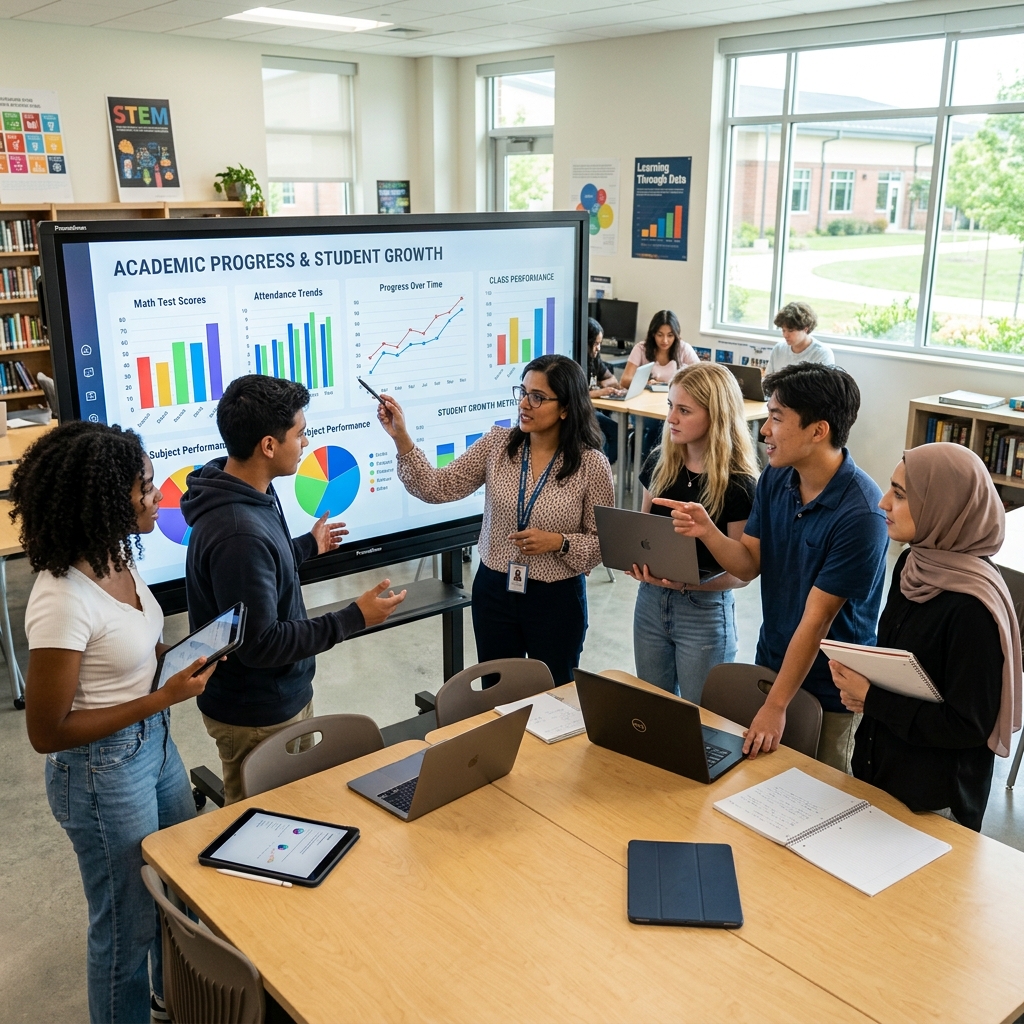
The modern classroom is often a high-stress environment. Sensory overload, constant digital engagement, and rigorous academic demands severely limit a student’s ability to concentrate. Educators and administrators constantly seek innovative methods to ground their students, and many have found an unexpected solution in data analysis. Conducting thorough market tools research provides a clear roadmap for identifying products, software, and pedagogical approaches that naturally lower cortisol levels. By understanding what resources are available, schools can introduce highly controlled, safe, and engaging mediums for students to connect with learning materials.
When administrators invest time in comprehensive market tools research, they bridge the gap between abstract educational theories and tangible reality. By incorporating data-backed software into science, math, and language arts lessons, teachers create a multidimensional learning experience. This captures attention and sustains engagement far better than traditional textbook instruction, which often fails to accommodate diverse learning styles.
Why Concentration Falters in Traditional Settings
Students today face unprecedented levels of distraction. Screens and rapid-fire media condition young minds to expect constant stimulation, making sustained attention difficult. In a standard classroom, the absence of tailored interventions exacerbates this issue. When schools utilize market tools research to evaluate new educational software, they often discover platforms designed specifically to help students slow down. The delicate nature of navigating these specialized platforms requires patience, fine motor control, and meticulous attention to detail. This process forces a shift from a rapid, passive consumption mindset to an active, deliberate state of creation.
The Anatomy of Perfect Educational Analytics
Not all data is created equal, especially when it comes to educational environments. Relying on outdated surveys or generic software can introduce unpredictable results, leading to student and teacher frustration. Dedicated market tools research is engineered for success, which is crucial for building student confidence and educator competence.
Essential Components of Educational Evaluation Mixes
Premium market tools research typically comprises a carefully balanced blend of qualitative and quantitative metrics designed to provide optimal insights into student behavior and learning retention.
- Behavioral Tracking: Modern platforms track how long a student focuses on a specific task. This allows teachers to incorporate lessons on Student Wellness and emotional regulation.
- Predictive Analytics: This helps maintain a consistent level of academic challenge, ensuring that students do not become bored or overwhelmed.
- Engagement Scoring: These metrics prevent the learning process from stagnating. They ensure delicate cognitive systems can navigate complex materials easily, identifying exactly when a student needs a break to restore calm.
Comparison Table: Traditional Methods vs. Data-Driven Approaches
|
Feature |
Traditional Methods |
Data-Driven Approaches |
Classroom Benefit |
|---|---|---|---|
|
Feedback Loop |
Slow, often delayed by weeks |
Real-time, instant analysis |
Easier for educators to adjust lesson plans |
|
Personalization |
Low (one-size-fits-all) |
High (tailored to individual needs) |
Prevents frustration in struggling students |
|
Focus Metrics |
Guesswork |
Precision tracking |
Reduces the risk of burnout in classrooms |
|
Resource Allocation |
Non-targeted, wasteful |
Highly targeted |
Safe, clean, and predictable funding usage |
Fostering Calm Through Technological Integration

Tactile and interactive learning is a cornerstone of early childhood development, but its benefits extend well into secondary education. The physical act of engaging with optimized software—breaking down complex problems, receiving immediate feedback, and progressing through modules—serves as a grounding exercise. Effective market tools research helps schools identify exactly which platforms offer these calming user interfaces.
The Psychology of Grounding in Digital Spaces
Psychologists often recommend grounding techniques for individuals experiencing anxiety. These techniques focus on the present moment. Well-designed educational technology intrinsically involves interactive feedback, soothing visual progression, and structured rewards. When a student feels overwhelmed by academic pressure, spending ten minutes on a carefully vetted platform discovered through market tools research can act as an emotional reset. The predictability of the software, coupled with the routine of care, provides a stable, calming rhythm to the school week.
Integrating Analytics into the Curriculum
Using data is not just for the administration office. Enterprising teachers use the insights gained from market tools research to enrich multiple subjects, creating a cohesive, cross-curricular experience.
Mathematics and Measurement
Students and teachers can calculate the efficacy of different study methods. They can measure test score growth, chart the data over time, and learn about averages and graphing. This transforms abstract educational theories into a highly visual, deeply personal project supported by solid market tools research.
Language Arts and Journaling
Observation journals encourage students to articulate what they feel during different instructional methods. Documenting the transition from a state of distraction to a state of focus helps students practice descriptive writing, chronological sequencing, and psychological vocabulary, all while providing qualitative data for ongoing market tools research.
Common Mistakes to Avoid in Educational Data Analysis
Even with the best intentions, classroom analytics projects can fail if not properly managed. Here are the most frequent pitfalls educators encounter when conducting market tools research:
- Over-Surveying: Administrators often bombard students with feedback forms. This leads to survey fatigue. Teach staff to use passive data collection methods to gauge student focus without interrupting their flow.
- Inadequate Implementation: Schools rarely provide enough training for robust software utilization. Weak implementation leads to disappointment. Invest in simple, low-cost training setups before rolling out complex platforms.
- Ignoring Qualitative Data: Substituting deep, conversational feedback for pure numbers almost always results in poor understanding of the student’s emotional state. True market tools research requires a balance of both.
- Rushing the Process: Complex software implementations take time. Follow deployment instructions precisely to ensure data accuracy.
Pro Tips for Classroom Success
To maximize the educational and therapeutic benefits of your data initiatives, consider these expert insights derived from successful market tools research:
- Implement a Review Schedule: Assigning a specific time each month to review engagement metrics ensures the data is checked regularly but not over-analyzed.
- Focus on the User Experience: Place student comfort first. If a platform is mathematically effective but visually stressful, it defeats the purpose. Good market tools research always accounts for cognitive load and visual calm.
- Embrace Failures: If a new software does not increase focus, use it as a teaching moment for the staff about variables, environmental conditions, and the scientific method of Curriculum Development.
- Connect with Local Experts: Invite an educational data scientist to your school. They can validate the administration’s efforts and provide real-world connections to EdTech Integration.
The Long-Term Impact on Student Development
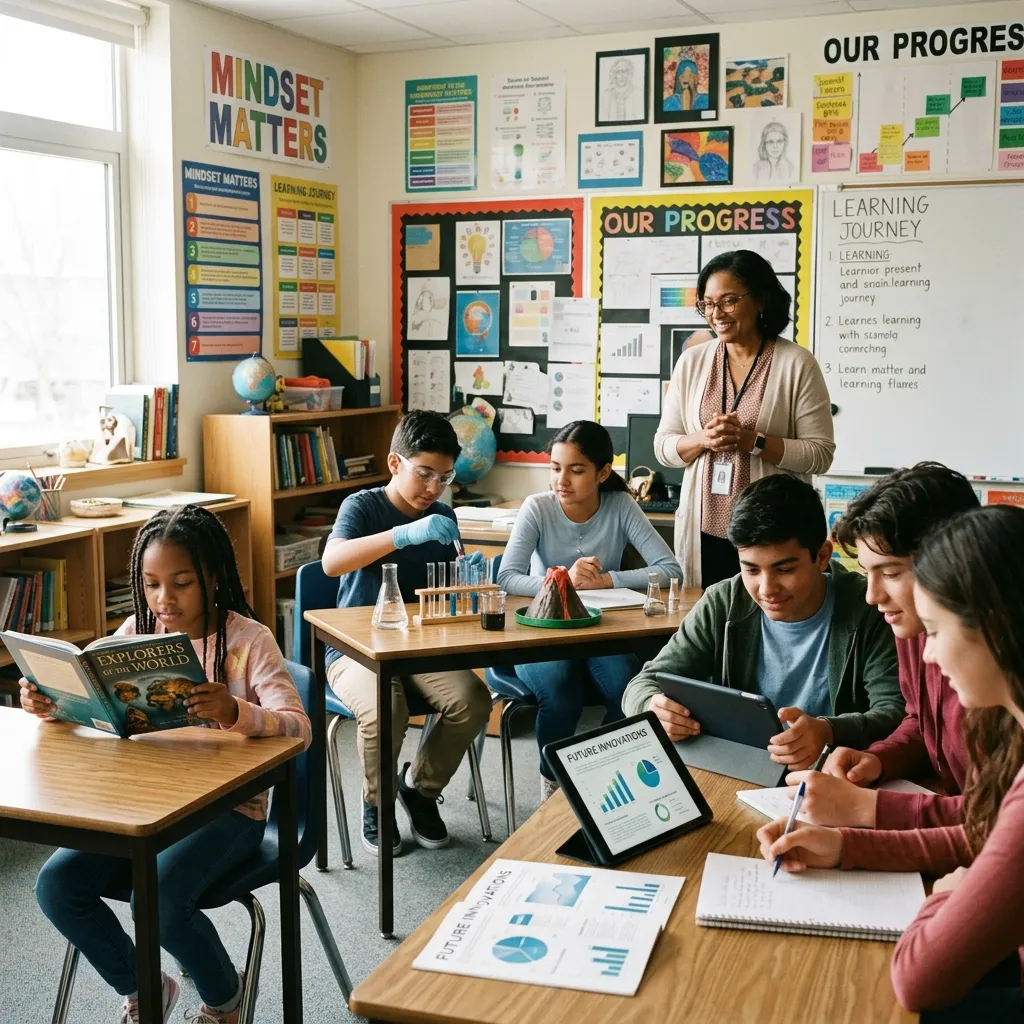
The goal of integrating insights from market tools research into the classroom is not necessarily to yield a massive influx of technology, though that is a common byproduct. The primary objective is environmental and character development. Cultivating a calm space teaches empathy, patience, and delayed gratification. In an era of instant digital rewards, waiting for genuine cognitive focus to emerge is a profound lesson in endurance.
Furthermore, these analytical activities foster a sense of community among educators. When teachers collaborate on reviewing market tools research, they learn teamwork and shared responsibility. They witness firsthand how their individual contributions impact the collective success of the educational ecosystem they have created.
By maintaining high standards in your evaluation methods, you ensure that these pedagogical shifts are scientifically accurate, safe, and highly beneficial to student growth. Referencing established psychological practices and consulting educational standards will help you build a robust, calm-inducing program.
Advancing Educational Environments with Data
As we push further into the digital age, relying on intuition alone is no longer sufficient for educational leadership. The demands placed on students require a highly curated environment where every element—from the lighting in the room to the font on their digital tablets—is optimized for learning. This optimization is impossible without rigorous market tools research. It serves as the foundational architecture upon which calm, focused, and effective learning spaces are built.
When a school district prioritizes market tools research, they are essentially taking the guesswork out of student wellness. They can definitively see which reading programs cause frustration and which math games promote a state of flow. This level of insight allows educators to act as precision architects of the student experience, removing friction and reducing the cognitive load that so often leads to behavioral issues and academic burnout.
The Financial Benefits of Targeted Research
Beyond the obvious benefits to student focus and teacher well-being, conducting thorough market tools research makes immense financial sense for educational institutions. School budgets are notoriously tight. Purchasing software or physical tools that do not resonate with the student body is a massive waste of resources. By analyzing the market beforehand, schools ensure that every dollar spent directly contributes to creating a calmer, more productive learning environment.
Overcoming Resistance to Data
It is natural for some educators to feel hesitant about integrating more data and technology into their classrooms. There is a valid fear that teaching will become robotic. However, effective market tools research actually proves the opposite. By automating the tracking of academic progress and utilizing tools that manage baseline focus, teachers are freed from tedious administrative burdens. They have more time to be human, to interact with their students, and to provide the emotional support that no software can replicate. The data does not replace the teacher; it empowers them to cultivate peace and concentration in their daily lessons.
Conclusion
Integrating thorough market tools research into your school’s planning processes offers profound benefits for student well-being and academic performance. By embracing data-driven, focus-enhancing tools, you create a calm environment where children truly thrive and educators avoid burnout. Start evaluating your classroom resources today to watch your students’ concentration grow! Contact us to explore more strategies.
Frequently Asked Questions
1. What exactly is educational data evaluation?
Educational evaluation involves using market tools research to analyze and select the best software, pedagogical frameworks, and physical resources designed to improve student outcomes and classroom focus. It moves decision-making from guesswork to evidence-based practice.
2. How does analyzing data improve student focus?
By identifying which tools work best, market tools research helps schools eliminate frustrating or overly stimulating platforms. This reduces cognitive overload and anxiety, bringing a student’s attention to the present moment and increasing their capacity to concentrate on academic tasks.
3. Can I use generic business analytics instead?
While possible, it is not recommended for educational environments. Generic tools lack the specific metrics required to measure student wellness, cognitive load, and academic engagement, often leading to skewed data that does not benefit the classroom environment.
4. How much time does this research take for a classroom?
This depends on your district’s size. Generally, a dedicated committee can conduct effective market tools research over a few weeks, evaluating pilot programs to ensure they bring calm and focus to the students before a full-scale rollout.
5. Do I need to hire a data scientist?
No. Many modern platforms discovered through market tools research have built-in, user-friendly dashboards designed specifically for teachers and administrators to easily understand engagement and focus metrics without advanced statistical training.
6. How do I prevent survey fatigue among students?
Survey fatigue is usually caused by over-questioning. Ensure your market tools research relies on passive data—like time spent on a task or completion rates—rather than constantly asking students to fill out long questionnaires about their stress levels.
7. What are the best tools to use for classroom projects?
Tools that promote interactive, self-paced learning are excellent choices. Through market tools research, educators consistently find that platforms offering immediate, low-stakes feedback keep students engaged and provide fast visual rewards for their efforts, maintaining a calm atmosphere.
8. How can I tie this into standard curriculum requirements?
Analytics naturally align with administrative standards. Teachers can measure student growth, study behavioral trends, and analyze the composition of their lesson plans. Market tools research supports overall curriculum development by providing empirical evidence of what works.
9. Is student data safe during these evaluations?
Generally, yes, as high-quality platforms identified through rigorous market tools research comply with strict educational privacy laws like FERPA and COPPA. However, administrators should always verify security protocols to ensure student information remains completely confidential.
10. How often should schools review their tools?
There is no strict calendar schedule, but best practices suggest an annual review. Administrators should be taught to assess their technology stack continuously. If market tools research indicates a newer, better platform can increase classroom calm, it is time to consider an upgrade.
