


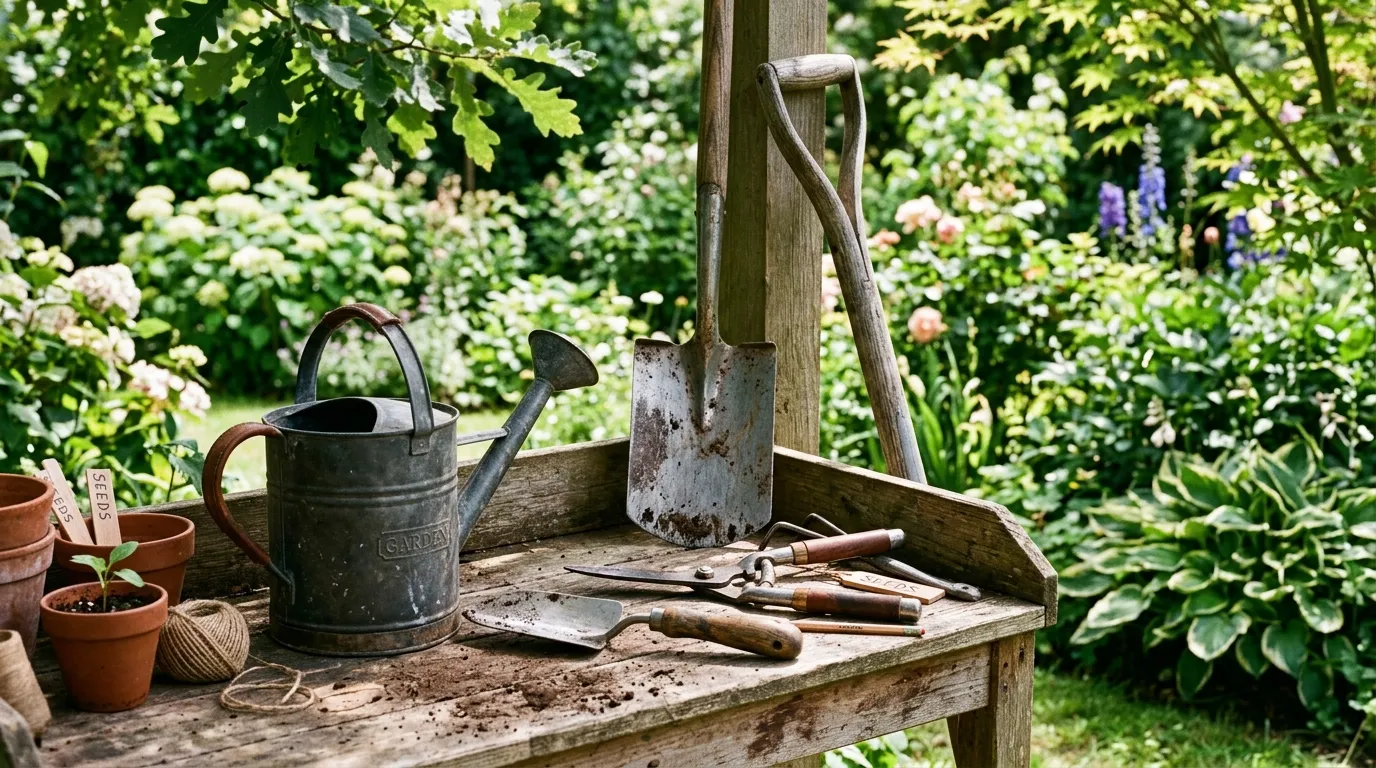
Incorporating garden tools into the educational landscape is a paradigm shift that nurtures calm, focus, and life skills alongside academic excellence. As schools and learning environments evolve, hands-on engagement with gardening is proving to be a powerful tool for student growth and wellbeing.
This guide provides an in-depth, data-driven exploration of how using garden tools in school and youth programs not only cultivates plants but helps students thrive emotionally, socially, and intellectually. You’ll discover practical insights for integrating gardens into curriculums, actionable guidance for maximizing their benefits, expert tips from leading educators, and common pitfalls to avoid as you embark on your own garden-based learning journey.
Why Garden Tools Belong in Education
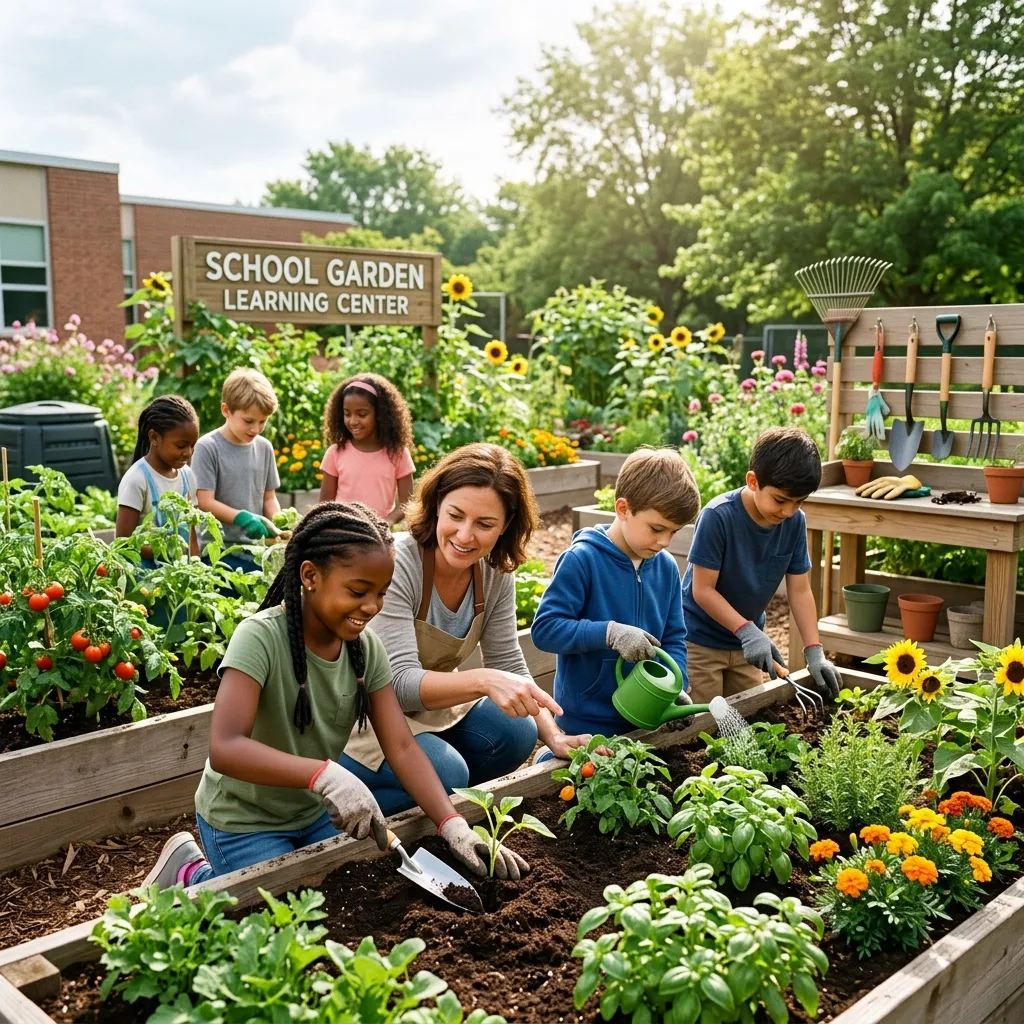
Integrating garden tools into school programs addresses the growing need for experiential, holistic, and calm-inducing learning. Educational institutions worldwide are embracing gardening initiatives not only to supplement academic learning but also to foster important life skills. Studies by organizations such as the American Horticultural Society and Royal Horticultural Society consistently demonstrate that students who participate in school gardening:
- Improve academic retention and test scores.
- Exhibit decreased anxiety and behavioral challenges.
- Show stronger engagement and attendance.
- Demonstrate higher self-confidence and teamwork.
The humble trowel, watering can, or hand fork isn’t just a tool—it’s a gateway to a world of calm, focus, and discovery.
Cultivating Calm Through Outdoor Learning
The modern classroom is often overstimulating. Between screen time, extended sitting, and high expectations, students frequently experience anxiety and difficulty concentrating. Outdoor learning with garden tools flips this script. When students dig, plant, and nurture in a garden:
- Repetitive, mindful actions—like weeding or watering—lower cortisol and promote mindfulness.
- Physical activity outdoors releases endorphins, offsetting stress.
- The rhythms of nature encourage grounding, patience, and self-regulation.
For example, a study published in Frontiers in Psychology found students participating in regular gardening sessions showed significant decreases in anxiety-related behaviors compared to peers in traditional settings.
Building Focus and Cognitive Skills
Handling garden tools requires careful movement, spatial reasoning, and sustained attention—skills foundational for academic achievement. By using tools suited to their size and strength:
- Younger children refine fine and gross motor skills with small spades and watering cans.
- Older students apply executive function and planning to tasks like spacing seeds or pruning.
- Problem-solving, observation, and data collection become hands-on through tool use.
Research from Cornell University shows measurable improvements in comprehension, retention, and focus among students engaged in gardening projects.
How to Select the Right Garden Tools for Schools
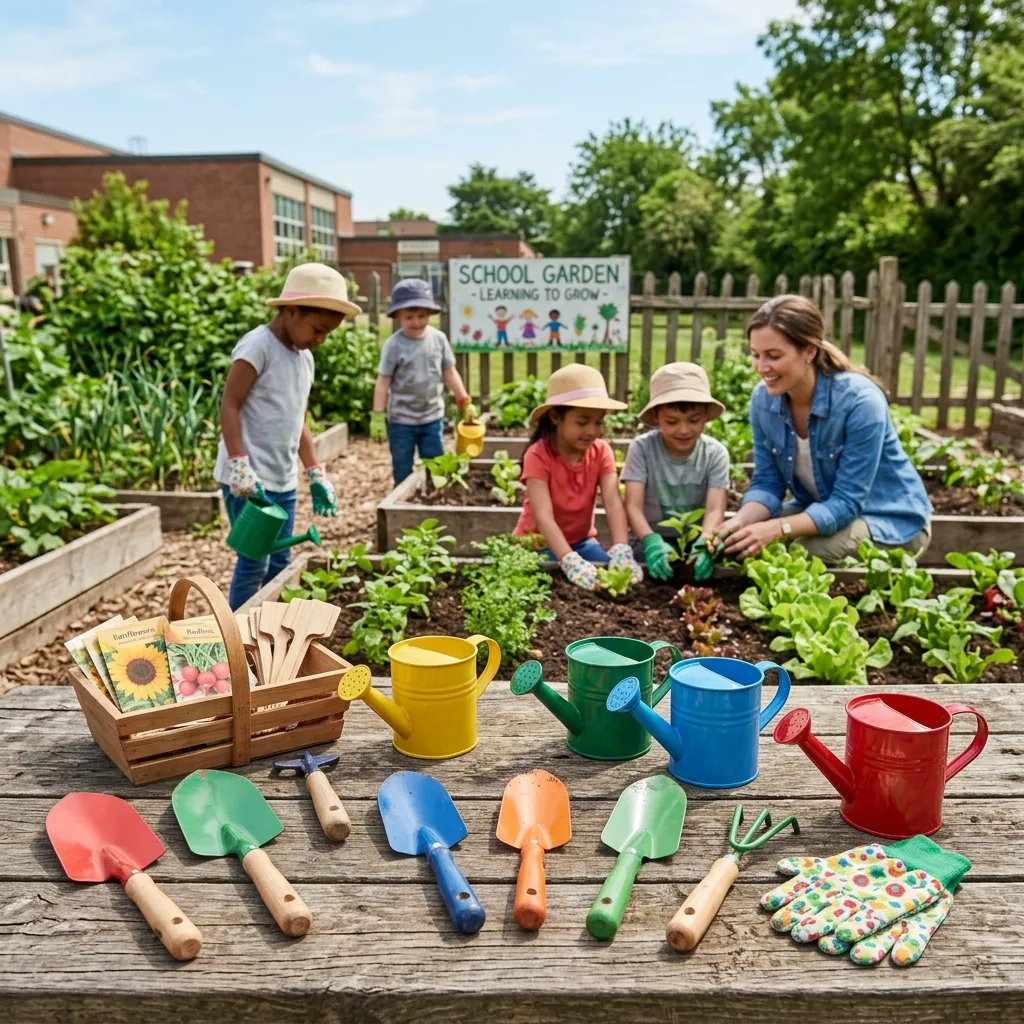
The transformative power of school gardening hinges on using high-quality, age-appropriate garden tools. Selection should be intentional to maximize safety, effectiveness, and student engagement.
Prioritizing Ergonomics and Safety
Children’s hands and bodies are smaller and less strong than adults’. The best garden tools for educational settings are:
- Scaled for youth: Shorter handles, lighter materials.
- Ergonomically designed: Non-slip grips, rounded edges.
- Clearly labeled: Bright colors for easy identification and minimal loss.
- Blunt or safety-featured: Especially for pruners and hand forks.
Example: A class set might include lightweight aluminum trowels, colorful polypropylene watering cans, kid-sized gloves, and short-statured rakes.
Essential Garden Tools Checklist
For a thriving school garden, equip each group with:
- Trowels—for digging and transplanting
- Hand forks—for loosening soil
- Watering cans (preferably with detachable spouts)
- Pruners (safe, locking styles for older students)
- Buckets and mini wheelbarrows—for teamwork and organization
- Rakes (short-handled for early elementary grades)
- Kneeling pads and gloves—for comfort and safety
Comparison Table: Student-Friendly vs. Standard Garden Tools
|
Feature |
Student-Friendly Tools |
Standard Adult Tools |
Educational Impact |
|---|---|---|---|
|
Weight |
Lightweight, composite/plastic, easy to carry |
Heavier metals and hardwoods |
Reduces fatigue, extends focus |
|
Size |
Appropriate for child or teen hand and stature |
Full-length, larger grips |
Boosts safety, supports coordination |
|
Edges |
Rounded, dull, rubber or resin protected |
Sharp, steel, for mature hands |
Lowers injury risk, adds confidence |
|
Color |
Bright and coded per group or storage area |
Often metal/wood tones |
Prevents loss, helps organization |
|
Storage |
Loops or hooks for orderly return |
May lack storage features |
Promotes responsibility, orderliness |
Step-by-Step: Starting a School Garden Program
Launching a successful school gardening initiative involves more than buying a few garden tools. Here are actionable steps to inspire calm, focus, and student achievement:
1. Gain Support and Alignment
Engage school leaders, teachers, parents, and community partners early. Share evidence from academic research and explain the holistic benefits (academic, social, emotional).
- Link gardening to curriculum goals and standards.
- Explore grant funding and community donations.
- Reference the school wellness policy when advocating for outdoor and garden time.
2. Plan for Safety and Supervision
Draft clear safety protocols:
- Establish tool usage zones and rules.
- Supervise every session with staff and volunteers.
- Store garden tools in a locked shed with labeled hooks or bins.
Actionable insight: Post tool safety posters created by students to reinforce positive behavior.
3. Choose the Right Site and Layout
- Select an accessible, sunny, and secure location.
- Design raised beds or container gardens for manageability.
- Provide shaded seating or rest spots for discussion, writing, and reflection.
4. Schedule and Structure Activities
- Integrate garden time into weekly or daily schedules.
- Rotate groups to prevent overcrowding.
- Provide journals for students to record observations, data, and feelings.
5. Teach Tool Care and Organizational Skills
- Begin activities with tool distribution and end with a collective clean-up.
- Demonstrate how to clean, dry, and store each tool.
- Assign “Tool Ambassador” roles—students who oversee inventory and storage.
6. Connect Learning Across Subjects
Use garden tools to bring academic concepts to life (see next section for subject integration).
Integrating Garden Tools Across the Curriculum
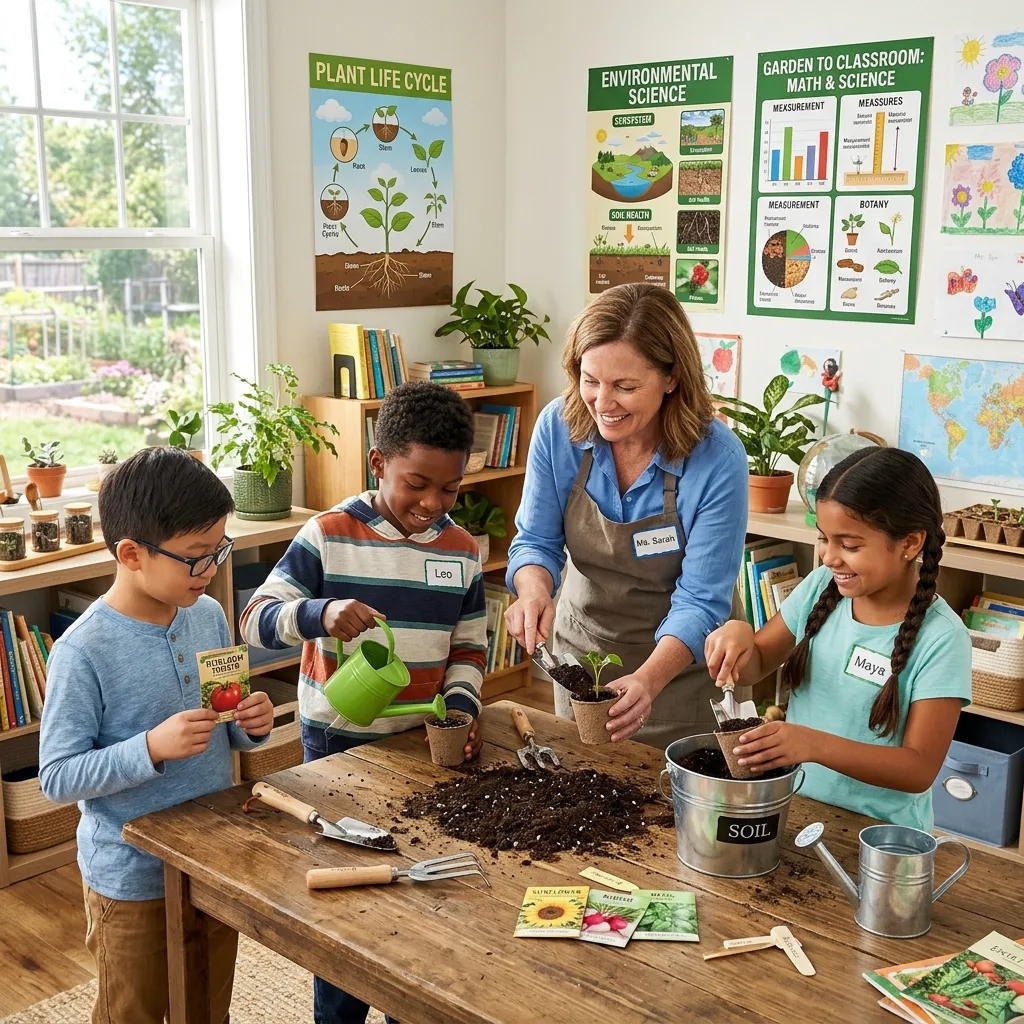
Science & Biology
- Students investigate plant life cycles by digging, planting, and measuring.
- Conduct soil experiments comparing bed conditions and plot types using various implements.
- Observe insect and pollinator populations, noting changes as compost or mulches are applied with spades and forks.
Math & Measurement
- Use rulers and trowels to measure depth for seeds.
- Calculate area and volume for raised beds using wheelbarrows and buckets.
- Chart plant growth in graphing journals, incorporating real-world data collection.
Literacy & Language Arts
- Write stories and poetry inspired by the sensations of using garden tools and observing nature.
- Keep detailed logs and reflections—fostering both narrative and informational writing skills.
- Conduct oral presentations about eco-friendly tool care and garden tasks.
Social Studies & History
- Explore indigenous gardening traditions and how garden tools have evolved.
- Discuss global food systems using tools from different cultures.
- Investigate local agricultural history with the help of visiting experts.
Art & Mindfulness
- Design and paint custom tool handles or garden markers for creative expression.
- Practice mindful breathing and movement while raking or watering.
Resource: The National Gardening Association offers diverse curriculum integration guides.
Pro Tips for Maximizing Impact
- Start Small but Dream Big: Begin with a pilot plot or container gardens before scaling.
- Involve Everyone: Invite all ages and abilities; assign jobs by interest and skill.
- Maintain Tools Religiously: Clean and store after each use—invite students to invent creative routines (like a tool-cleanup relay!).
- Celebrate Wins: Host tasting events, open-garden days, or “Garden Tool Olympics.”
- Connect with Community: Partner with local farms, co-ops, and master gardener programs for mentorship and resources.
- Layer In Sensory Elements: Cultivate herbs, flowers, and textured foliage to heighten sensory calm.
Internal Linking for Depth
Enhance the initiative’s success by referencing related topics:
- Bolded: Composting best practices
- Bolded: Sustainable plant selection
- Bolded: Rainwater harvesting
- Bolded: Healthy school lunch gardens
Use these resource clusters to connect students with broader ecological systems and school-wide wellness goals.
Common Mistakes to Avoid When Using Garden Tools in Education
Avoiding these pitfalls will ensure your school’s gardening program continues to promote calm, purpose, and deep engagement:
1. Mismatched Tools for Age/Ability
- Giving young children adult-size shovels can lead to frustration, fatigue, or injury.
- Always match tool choice to the size, strength, and developmental level of your students.
2. Overlooking Safety Training
- Never assume students “just know” how to use equipment.
- Provide hands-on demonstrations and safety refreshers at every session.
3. Skipping Maintenance
- Dirty or poorly stored tools rust, splinter, or break.
- Regularly clean, sharpen, and inspect all implements. Schedule periodic maintenance with the same care as laboratory equipment.
4. Inadequate Supervision
- Don’t leave students unattended with garden tools.
- Assign manageable group sizes and rotate leaders for accountability.
5. Underutilizing Cross-Curricular Links
- Only using garden tools for science misses their potential for math, literacy, and art.
- Collaborate with teachers across subjects to maximize tool-based learning opportunities.
6. Neglecting Inclusion and Accessibility
- Design gardening areas for all students, including those with limited mobility or sensory sensitivities.
- Choose adaptive garden tools when needed.
7. Losing Sight of Fun and Exploration
- Over-regimented routines can sap the joy from gardening.
- Encourage experimentation and play, balancing structure with creativity.
Mini-Conclusions for Flow
Through well-chosen garden tools, outdoor learning becomes a sanctuary where students can decompress, focus, and explore new horizons. Maintenance, safety, and continual engagement are crucial for long-term success.
Cross-curricular integration transforms gardening from an extracurricular novelty to a foundational pillar of holistic education. Avoid common pitfalls by centering student needs, maintaining high standards, and celebrating every achievement.
Expert Insights
Dr. Elaine Montgomery, educational psychologist and author, observes, “School gardens imbue every lesson—math, science, literature—with purpose. When students wield garden tools, they’re not just growing plants; they’re building neural pathways for focus, cooperation, and resilience. The key is consistent structure, creative integration, and giving students ownership over the process.”
Master Gardener Julio Vargas adds, “Choose tools that fit small hands. Invest in upkeep. Celebrate small victories: the first sprout, the first harvest, the first compost pile turned together with a child-sized fork. These moments spark lifelong curiosity.”
Conclusion
By weaving garden tools and practical gardening into the fabric of education, we cultivate not only vibrant plants but calmer, more mindful, and more capable students. Integrating the right equipment with thoughtful curriculum design and strong support yields measurable academic, emotional, and social dividends. The evidence is clear: When students step outside, pick up appropriate garden tools, and connect with the natural world, education is transformed.
Now is the time to harness the power of school gardens. Start small, remain consistent, tie outdoor work to classroom goals, and watch focus and calm blossom alongside your first seedlings. Take the next step—bring garden tools into your curriculum and discover the changes—not just in your school landscape, but in every learner.
FAQs
What are the best garden tools for elementary students?
Choose lightweight, small-handled trowels, hand forks, watering cans, and soft-grip gloves. Look for garden tools labeled as “child-size” or “youth-friendly,” with vibrant colors for engagement and easy inventory. Avoid heavy metals or sharp edges. Learn more.
How does gardening boost student focus and calm?
Using garden tools requires physical coordination and delivers immediate sensory feedback—helping anchor students in the present moment. The act of repetitive, purposeful gardening (digging, planting, watering) helps regulate breathing, moderate behavior, and reduce anxiety. Research links these practices to better concentration and academic retention.
Are there safety concerns when children use garden tools?
Yes, but they are manageable. Always provide age-appropriate tools, clear instruction, and close supervision. Enforce rules such as “tools down when not in use” and “walk, don’t run” in the garden. Store equipment safely when not in use to prevent accidents.
How do I integrate garden tools into different subjects?
Tie tool use to curriculum goals:
- Science: Plant growth, soil testing, and decomposition.
- Math: Measuring beds, tracking weather, charting plant growth.
- Literacy: Observational journaling and descriptive writing inspired by gardening.
- Art: Sketching crops and painting tool handles.
- Social studies: Exploring sustainability, local food systems, and global traditions.
What are the most common mistakes new garden programs make?
The most frequent errors are giving students tools that are too large or heavy, neglecting safety and regular tool care, and forgetting to connect garden activities to core subjects. Avoid these by using age-suited equipment, scheduling regular maintenance, and integrating gardening with lessons throughout the curriculum.
Can gardening help students with ADHD or learning differences?
Absolutely. Research from ADHD awareness resources shows garden time helps students self-regulate, channel excess energy, and stay engaged through active, hands-on learning. Sensory-rich activities with garden tools are especially beneficial.
What is the best way to store garden tools in schools?
Designate a dry, secure storage area with labeled hooks or bins. Implement a checkout system for accountability. Involve students in the clean-up and storage process to teach organization and responsibility. Lock storage between uses for safety.
How do I fund garden tools for a school program?
Apply for grants from local horticultural societies, nonprofits, or government wellness programs. Organize fundraising events such as plant sales. Partner with nurseries or hardware stores for in-kind donations. Community supporters often value investing in educational gardening.
Do I need a large space for an educational garden?
No! Container gardens, patio beds, or even small raised beds provide ample opportunity for hands-on learning. The key is not size but regular use and thoughtful integration into the school routine.
What’s the best way to encourage teachers to use garden tools as part of class?
Provide training sessions and simple guides that align gardening activities with core standards. Share success stories and data on the benefits. Encourage cross-grade and cross-subject collaboration. Address concerns about time by offering ready-made lesson plans and integrating short “garden breaks” across the school day.
